Gutter Repair Hackettstown: When Small Issues Become Big Problems
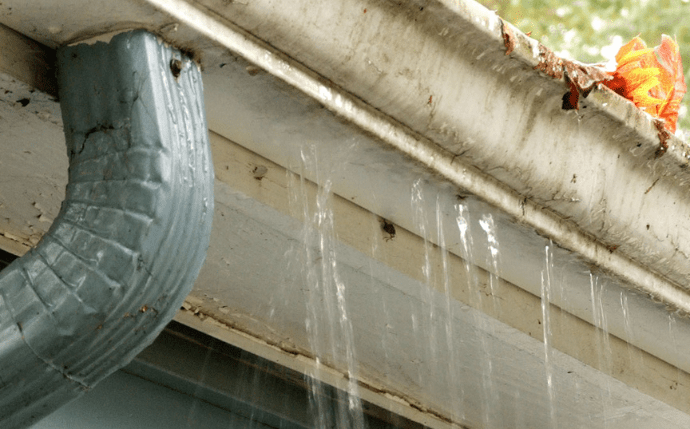
Most gutter trouble starts quietly. A drip at one corner. A seam that opens just enough to stain the fascia. A downspout that sends water a foot too close to the foundation. Homeowners often live with those issues for months because nothing seems urgent. The roof is still overhead, the basement is still mostly dry, and the gutters are still technically attached. Then a hard rain hits, or a late winter thaw arrives, and the small problem turns expensive.
That pattern shows up all the time in homes around Hackettstown. You see it on older colonials with mature trees, on ranch homes with long roof runs, and on houses where previous repairs were done fast instead of done well. Gutters sit at the intersection of roofing, siding, trim, grading, and foundation performance. When they fail, they rarely fail in isolation. Water does not stay politely in one place. It spreads, seeps, backs up, splashes, and freezes.
That is why Gutter Repair Hackettstown is not just about stopping a drip. It is about catching water where it belongs and keeping it from damaging everything below it.
Why minor gutter defects get overlooked
Gutters are easy to ignore because they live at the edge of your attention. Unlike a broken window or a furnace that stops working, a gutter issue can hide in plain sight. You may only see the problem during rain, and most people are not outside studying runoff during a storm. Even when the signs are visible, they are easy to rationalize. A little overflow can look harmless. A sagging section can seem cosmetic. A damp patch near the foundation may get blamed on general moisture.
There is also a timing problem. Water damage often shows up later than the defect that caused it. By the time paint peels from the soffit, mulch has washed away from the planting bed, or the basement wall develops a dark tide line, the original gutter issue may have been active for a season or more. That delay makes cause and effect harder for homeowners to connect.
In Hackettstown, seasonal weather amplifies that lag. Fall leaves pack valleys and gutters. Winter freeze and thaw cycles widen weak seams and stress hangers. Early spring brings heavy rain when downspouts are still clogged with debris from the prior season. A homeowner may not realize how compromised the system is until several conditions line up at once.
What “small” looks like before it gets serious
The phrase small issue can be misleading. In practice, it usually means one of a handful of defects that seem modest on the surface but have outsized consequences over time.
A loose hanger is a good example. One loose fastener does not sound like much, but gutters rely on consistent support along the entire run. Once a section starts to dip, water ponds instead of flowing. Standing water adds weight. The gutter pulls a little farther from the fascia, and nearby fasteners take on more load than they were meant to carry. During a heavy storm, that weak section begins to overflow at the exact point where the structure is least protected.
Open seams are another classic case. A seam may leak only in a narrow line at first, enough to create a thin dark streak on the gutter face or fascia board. But that repeated wetting slowly affects paint, wood, and the metal itself. If the leak is near an entryway or deck, the water can create slippery surfaces and staining below. If it is near a corner, it often soaks the trim and migrates behind siding.
Downspout problems deserve special attention. Sometimes the gutter itself is functioning, but the discharge point is wrong. A downspout that empties too close to the house, or into an extension that has separated underground, can dump hundreds of gallons in the wrong place during a single storm. You may not see that water after the storm passes, but the soil remembers. So does the foundation.
The damage rarely stays at the roofline
People tend to think of gutters as roof accessories. In reality, their job is to protect the entire building envelope and the area around it. Once water escapes the intended path, several systems become vulnerable.
Fascia and soffits are often first in line. Repeated overflow wets the wood trim, softens paint, and encourages rot. Once rot begins, fasteners lose holding power. At that point, even a properly repaired gutter may not stay secure until the damaged wood is addressed. This is one reason cosmetic patching often fails. The visible leak gets sealed, but the substrate behind it has already weakened.
Siding can suffer next, especially where water runs behind corners or along joints. Vinyl may hide what is happening underneath. Fiber cement is durable, but not immune to chronic wetting around trim intersections. Wood siding is even less forgiving. Staining, swelling, and paint failure are common clues, though the real problem may be concealed until repair work begins.
Near grade level, splashback and oversaturation create another layer of trouble. Mulch trenches form where downspouts dump too close to beds. Topsoil erodes. Patio pavers settle unevenly. Water tracks toward basement walls or crawlspaces. In colder weather, saturated soil expands and contracts more dramatically, which does no favors to walkways, stoops, or foundation edges.
Inside the home, symptoms become more expensive and much more disruptive. Basement moisture, musty odors, and periodic seepage often get treated as interior issues when the root cause is outside water management. It is not always the gutter alone, but bad gutter performance is frequently part of the chain.
Hackettstown homes have a few recurring risk factors
Every area has its own patterns, and Hackettstown is no exception. Homes here often deal with a combination of mature trees, variable grading, and weather that swings between hot summer downpours and winter ice. That mix is tough on gutter systems.
Large deciduous trees are a major factor. Leaves, twigs, seed pods, and small branches accumulate faster than many homeowners expect, especially in valleys and near inside corners. Even when the gutter looks clear from the ground, the downspout outlet can be packed tight. Water then bypasses the outlet and spills over the front edge.
Snow and ice create a different kind of stress. Gutters are not designed to carry the load of thick ice buildup. If drainage is poor, trapped water freezes in place, expanding at seams and around fasteners. During a thaw, that same section may suddenly release a surge of water, exposing all the weak points at once. By late winter, a system that looked acceptable in November may be leaking in three places and pulling away in a fourth.
Older homes add another complication. Fascia boards may have already been repaired once, sometimes with short patches or mismatched materials. Hanger spacing may reflect older installation standards rather than current best practice. Pitch may be inconsistent from previous adjustments. A house can have decent gutters and still perform poorly because the supporting details are no longer sound.
The warning signs homeowners should take seriously
The strongest clue is overflow during moderate rain. Not just a cloudburst, but a steady ordinary rain that causes water to spill over the front edge or at corners. That usually points to blockage, poor pitch, or an undersized discharge path. If the water is sheeting off one area but the rest Gutter Repair Hackettstown of the gutter looks calm, the issue is usually local and easier to isolate.
Another sign is water marks where they should not be. Streaks on the gutter face, fascia, or siding often reveal repeat leak patterns. Peeling paint under the roof edge is not merely cosmetic. It usually means water has been present over time, and paint was the messenger, not the problem.
Listen during storms. A healthy gutter system has a certain sound, steady movement through channels and downspouts. Gurgling, splashing against walls, or loud dripping after rainfall ends can indicate standing water or a partially blocked downspout.
Look at the ground, too. If one bed is always washed out, if one corner grows moss while the rest stays dry, or if one basement wall smells damp after storms, pay attention to what is directly above that area. Gutter issues often announce themselves on the ground before they are obvious at the eaves.
Repair versus replacement is not always obvious
One of the most common homeowner questions is whether the system can be repaired or if it is time to replace sections, or everything. The honest answer depends on extent, age, and material condition. There is no single rule that fits every house.
A localized seam leak, a disconnected downspout, or several loose hangers are usually repairable if the gutter body is still sound and the fascia behind it remains solid. Those are the kinds of problems where targeted work can restore performance without overreaching. The key is to fix both the symptom and the reason it happened. If hangers loosened because the fascia is soft, replacing screws alone will not hold for long.
Widespread corrosion is different. Once metal has thinned along long sections, repairs become a string of temporary measures. You may stop one leak and reveal the next. If pitch is inconsistent across multiple runs, if corners are distorted, or if the system has recurring overflow despite cleaning, replacement may be the more practical choice.
There is also a middle ground that many homeowners overlook. Sometimes only one elevation needs replacement. The rear gutter over a walkout basement may be taking the brunt of roof runoff and tree debris, while the front run remains in decent shape. Selective replacement can make sense if the existing system still has enough integrity and compatibility.
What good repair work actually involves
Quality gutter repair is rarely just a tube of sealant and a ladder. Good work starts with diagnosis. You need to know whether the water is escaping because the gutter is clogged, pitched incorrectly, undersupported, cracked, or being overloaded by roof runoff. Similar symptoms can come from very different causes.
Once the cause is identified, the repair should restore function, not just appearance. If a section is holding water, it may need to be re-pitched and re-hung. If a downspout elbow keeps clogging, the issue may be debris management at the outlet or a crushed lower section. If a corner leaks repeatedly, the joint may need to be rebuilt rather than simply coated again.
Fastener selection matters more than many people realize. Short screws driven into compromised wood may hold for a few weeks and fail on the first heavy rain. Hanger spacing matters, too. On longer runs or areas prone to ice load, Gutter Repair Hackettstown support should be consistent and appropriate to the conditions. Corners, end caps, and outlets need special attention because those points see concentrated water and stress.
A proper repair also considers runoff after the downspout. If discharge empties into an area that slopes back toward the house, the gutter can be technically repaired and still contribute to water problems. Extensions, splash blocks, or tied-in drainage may be part of the real solution.
The cost of waiting tends to compound
Homeowners sometimes delay repair because the visible gutter issue seems small compared with the price of bringing someone out. Ironically, gutter problems are one of the clearest examples of a modest service call preventing much bigger expenses later.
A failed seam or sagging section may only require a straightforward repair today. Leave it alone through one wet season and the repair scope can grow to include fascia replacement, soffit repair, siding touch-up, landscape restoration, and basement moisture mitigation. None of those follow-up costs feel related at first, but they often start from the same point of neglected runoff.
There is also the labor efficiency factor. Small repairs are faster when access is simple and damage is limited. Once gutters pull farther away, once wood behind them softens, or once mold and staining spread, the work gets slower, messier, and harder to stage. That is one reason prompt Gutter Repair Hackettstown service often saves more than it costs.
A homeowner I once spoke with had ignored a rear corner leak because it only dripped during very heavy rain. By the time the issue was addressed, the leak had rotted a section of fascia hidden behind a gutter apron, loosened the corner assembly, and contributed to water intrusion around a basement window below. The original repair would have been modest. The eventual bill involved carpentry, gutter work, repainting, and interior drying. That story is not unusual.
Seasonal timing matters more than people think
There is no bad time to fix a clear gutter problem, but some seasons present better opportunities for preventive work. Late spring and early fall are ideal for inspection because they reveal different weaknesses. Spring shows how the system handled winter. Fall shows how it handles leaf load before cold weather locks problems in place.
Mid-summer can be useful for corrective work because fascia and trim are often drier, access conditions are favorable, and afternoon storms can help test drainage. Winter repairs are possible when urgent, but ice and frozen debris can make full diagnosis harder. Emergency stabilization may be necessary first, followed by permanent correction when conditions improve.
If your home sits under heavy tree cover, one cleaning a year is rarely enough. That does not mean everyone needs guards, and it does not mean every system clogs at the same rate. It means maintenance should match the property, not the calendar. A house with tall oaks and maples may need attention after leaf drop and again in spring when smaller debris and seed litter show up.
When gutter guards help, and when they disappoint
Gutter guards are often discussed as if they are a cure-all. They are not. On the right house, they reduce maintenance and keep larger debris from packing the trough. On the wrong house, or with the wrong product, they can create a false sense of security while fine debris, shingle grit, and seed matter still build up.
The biggest mistake is assuming guards eliminate inspection. They do not. Water still needs an open path into the gutter and through the downspouts. Guards can also affect how water enters during heavy rain. On some roof and pitch combinations, lower-quality guard systems cause overshoot, where water runs past the gutter edge instead of dropping in.
For homes in Hackettstown with dense tree cover, guards can be worthwhile if they are chosen with the roof type, debris profile, and serviceability in mind. They work best as part of a broader strategy, not as a replacement for repair, slope correction, or proper discharge planning.
Questions worth asking before you approve the work
A good repair conversation should be specific. You want to know not just what is leaking, but why. You also want clarity on whether the fascia is sound, whether pitch needs adjustment, and where the water is going after it reaches the downspout.
Here are a few practical questions that often separate a surface fix from a durable repair:
- Is the gutter itself failing, or is the wood behind it no longer holding fasteners?
- Does this section need resealing, re-pitching, or partial replacement?
- Are the downspouts carrying water far enough away from the house?
- Is there evidence of hidden damage to soffit, trim, or siding below the leak?
- Will this repair address the cause, or only the visible symptom?
Those answers should sound grounded and job-specific. If the explanation stays vague, the work may be vague too.
A sensible approach for homeowners
The most practical mindset is simple: treat gutter problems early, and treat them as water management issues rather than isolated metal problems. The gutter is only one part of the path. Roof runoff, pitch, outlet capacity, fascia condition, and discharge location all matter.
If you notice overflow, staining, sagging, or chronic dampness near the foundation, do not wait for dramatic failure. Have the system evaluated while the defects are still small and the surrounding materials are still salvageable. A well-timed repair can be modest, clean, and lasting. A delayed repair often becomes a project.
That is the real story behind Gutter Repair Hackettstown. Small issues become big problems not because gutters are complicated, but because water is persistent. It follows gravity, finds weakness, and keeps working long after the storm has passed. When the repair is done properly, you do not just stop a leak. You protect the roof edge, the walls, the foundation, and the parts of the house most owners never think about until they are already damaged.
Just Gutters LLC
Address: 262 Main St, Hackettstown, NJ 07840
Phone number: +12013319454
FAQ About Gutter Repair Hackettstown
What is the average cost to repair gutters?
The average cost to repair gutters is about $390, with most jobs ranging from $120 to $900 depending on the damage. You can explore detailed data and estimates on Angi.
Can I repair a gutter myself?
Yes, you can easily repair most common gutter problems yourself if you are comfortable working on a ladder.
How much does it cost to repair a leaking gutter?
The average cost to repair a leaking gutter ranges from $75 to $350. Most homeowners spend around $150 to $250 to hire a professional to patch small holes or reseal leaking joints. If the damage is severe and requires replacing entire sections, the price can increase from $300 to $800.