How Gutter Cleaning in Hackettstown Prevents Pest Problems

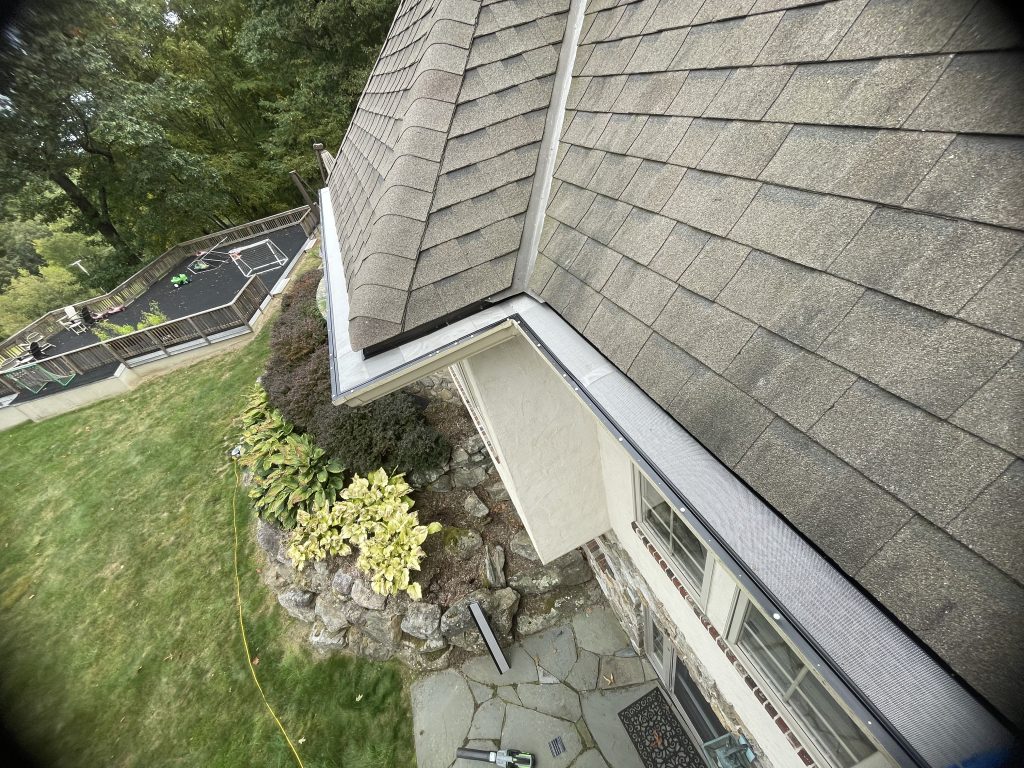
A clogged gutter rarely looks urgent from the driveway. It is easy to treat it as a housekeeping issue, something to get to after the leaves come down or when the weather improves. In practice, neglected gutters often create the exact conditions that pests need to settle in around a home. Water sits where it should drain. Organic debris breaks down into damp sludge. Fascia boards stay wet. Roof edges soften. Small gaps become larger ones. For insects and rodents, that chain of events is not random. It is an opening.
In Hackettstown, that pattern shows up often because the local mix of mature trees, seasonal leaf drop, summer humidity, and winter freeze-thaw cycles puts gutters under steady pressure. Homeowners usually notice the overflow first. They see water pouring over the side in a storm or staining the siding below the eaves. What they do not always connect, at least at first, is the pest activity that follows a few weeks or months later. Ants begin appearing around windows. Mosquitoes linger near entryways. Wasps gather under the roofline. Mice seem to find a way into the attic just as temperatures drop.
That is why Gutter Cleaning Hackettstown services do more than improve drainage. They remove one of the most attractive pest habitats on the property and reduce the structural damage that gives pests access to the house.
Why pests are drawn to neglected gutters
Pests do not need much. They look for water, shelter, food residue, and protected travel routes. A gutter packed with leaves and shingle grit can provide all four.
When debris collects in a gutter, it traps moisture long after a rainstorm ends. That wet layer starts decomposing and turns into a compact organic bed. In warm weather, it can support algae, mold, and even volunteer plant growth. From a pest standpoint, that damp material works like habitat. Mosquitoes can breed in standing water. Carpenter ants are attracted to nearby damp wood. Roaches and earwigs seek dark, wet hiding spots. Birds may pull at the debris for nesting material. Once birds and squirrels begin investigating the roofline, they often reveal or enlarge weak points around soffits, vents, and trim.
The problem gets worse when gutters stop moving water away from the house. Overflow can soak the fascia board and the edge of the roof sheathing. It can also flood planting beds next to the foundation, creating soft soil and persistent moisture. That broadens the pest issue beyond the gutter itself. Termites, ants, and rodents respond to the wetter environment around the entire perimeter.
A clean gutter is not sterile, and it is not a guarantee against pests. Still, it removes a major attractant. That matters because pest control usually works best when habitat reduction comes before chemical treatment. If the conditions remain ideal, pests tend to return.
The Hackettstown factor
Hackettstown homes face a mix of conditions that makes gutter maintenance more important than many owners expect. Older neighborhoods often have large maples, oaks, and pines. Those trees provide shade and character, but they also fill gutters with leaves, twigs, seed pods, and needles. In the spring, pollen and maple helicopters add another layer. In late fall, one windy weekend can undo a full cleaning.
The climate plays its own role. Summer storms can dump heavy rain in a short period, testing whether downspouts and gutters are moving water properly. Then winter brings freeze-thaw cycles. Water caught in a clogged gutter can freeze, expand, and hold even more debris in place. Ice can push apart joints or bend sections out of alignment. When that happens, pests gain not only moisture but also new openings and shelter pockets.
Homes near wooded lots or open fields tend to see even more pressure. Rodents already moving through the area use fences, utility lines, and tree branches as travel routes. A clogged gutter line gives them a staging area close to the roof. If branches touch or overhang the house, the jump becomes easy.
Mosquitoes thrive where water stands still
Of all the gutter-related pest issues, mosquitoes are among the most predictable. They do not need a pond or a swamp. Some species can reproduce in very small amounts of standing water. A low spot in a gutter or a downspout elbow packed with sludge can hold enough water to support breeding.
This is one of those problems that homeowners underestimate because the water is often hidden. From the ground, the gutter may not look full. Yet inside, behind a rim of debris, there may be several feet of stagnant water. During warm months, that can become active quickly. If the home has a patio, deck, or front porch below that section, people start noticing bites in the exact places where they should be able to enjoy the yard.
Regular cleaning interrupts that cycle. It removes the damming material, restores flow, and exposes the gutter channel to sun and air. That does not eliminate every mosquito on the property, especially if there are other water sources nearby, but it can sharply reduce breeding right on the house.
Ants, including carpenter ants, follow moisture
Most people think of ants as a kitchen problem. Around houses with moisture issues, they are often an exterior warning sign first. Standard pavement ants may trail along foundation walls and window trim, but carpenter ants deserve special attention because they are strongly associated with damp, softened wood.
Carpenter ants do not eat wood the way termites do. They excavate it to create galleries. Wet fascia boards, rotted soffits, and water-damaged window trim make that work much easier. A clogged gutter that spills behind the gutter line or constantly wets the same section of trim creates ideal conditions.
I have seen this progression play out on homes where the owners first noticed a little paint blistering near the roof edge. The stain seemed cosmetic. By the time the gutter was cleaned and the fascia inspected, the wood had become punky enough to press a screwdriver into it. Ant activity was already visible under the loosened paint line. The gutter was not the only issue, but it was the reason the wood stayed wet long enough for the problem to take hold.
That is the important distinction. Gutters may not create pests out of nowhere, but they often create the moisture pattern that allows pests to establish themselves near the structure.
Wasps and hornets like protected roofline areas
Wasps are drawn to roof edges for shelter. They build under eaves, behind shutters, inside light fixtures, and sometimes within gaps around gutters. When gutters are clogged, the debris itself can offer partial support and cover for early nest-building. Overflow and wood decay can also loosen trim, leaving small cavities where colonies can expand out of view.
Late spring is usually when these nests are still small enough to manage with less disruption. By late summer, the activity can become aggressive, especially around front doors, decks, and upper-story windows. A clean, well-secured gutter line gives wasps fewer protected anchor points and makes new nests easier to spot before they grow.
This is particularly relevant for families with children or anyone who works outside around the property. A nest hidden behind a sagging gutter section may not be obvious until it is disturbed during yard work.
Rodents use damaged gutters as access routes
Mice and squirrels are resourceful climbers. They do not need a wide opening to investigate an attic or wall void. Gutters that are loose, bent, or clogged with debris can help them in several ways.
First, sagging https://www.google.com/maps?cid=3999183471512401406 sections create footholds and sheltered ledges. Second, heavy debris and water can pull fasteners away from the fascia, opening narrow gaps behind the gutter. Third, overflow keeps nearby wood damp, which makes it easier for rodents to gnaw or exploit weakened areas. If a downspout runs near shrubs or fences, it can become part of a travel corridor around the house.
In fall, this matters even more. As nights cool down in Warren County, rodents start looking for warmer shelter. They are not just wandering randomly. They test edges, corners, and roof penetrations. A gutter system that has been neglected all year can turn the upper perimeter of the house into an easy route.
Once rodents make it into an attic, the cost of solving the problem climbs quickly. Insulation contamination, wiring damage, odor, and repeated entry all become concerns. Compared with that, routine gutter cleaning is a modest preventive step.
Termites and foundation moisture
Gutters do not cause termites by themselves. Still, poor drainage can contribute to termite-friendly conditions around a home. When gutters overflow near the foundation, the soil stays wetter for longer periods. Wood mulch, buried trim, and structural components near grade become more attractive.
Subterranean termites depend on moisture. If downspouts discharge too close to the foundation, or if clogged gutters repeatedly dump water into the same corner, that area may stay damp enough to support activity longer than it should. Homeowners often focus on visible wood damage but overlook the drainage pattern that helped create the risk.
Good gutter maintenance works with broader moisture control. That means clean channels, functional downspouts, proper discharge away from the house, and grading that does not send water back toward the foundation. Pest prevention is rarely about one fix alone. It is about reducing a chain of favorable conditions.
Birds, nesting debris, and secondary pest problems
Birds are not always the first thing people think of when they hear “pests,” but nesting activity around gutters can trigger other problems. Clogged gutters packed with twigs and leaves may invite birds to build near the roofline, especially in sheltered corners. Once that starts, droppings accumulate, mites can spread, and blocked drainage becomes worse.
A nest tucked into a gutter also traps more moisture and debris. During a storm, water may back up under shingles or pour over the front edge. Then the homeowner ends up with both a pest issue and a water issue at once.
There is also a practical reality here. Removing active nests may involve legal or seasonal restrictions depending on the species. It is much easier to keep gutters clean and unattractive before birds settle in than to deal with a protected nesting situation later.
The damage you do not see from the ground
One of the reasons gutter neglect leads to pest issues is that many of the early warning signs are subtle. You might see a few dark streaks on siding or a little plant growth in the trough. What you cannot easily see is the moisture staying behind the gutter, the seams pulling apart, or the shingle edge wicking water.
On two-story homes, this is even harder to judge. Homeowners often tell themselves the gutters “seem fine” because there is no dramatic waterfall in light rain. Then during a heavy storm, water overshoots clogged sections, lands close to the foundation, and splashes onto the siding. That repeated exposure changes the building envelope slowly. By the time pests become visible indoors, the original drainage issue has often been there for quite a while.
This is why inspection matters as much as debris removal. Effective Gutter Cleaning Hackettstown work should involve more than scooping leaves. It should include checking pitch, joints, hangers, downspout flow, and signs of concealed water damage.
What proper gutter cleaning actually addresses
A thorough cleaning typically solves several pest-related problems at once. It clears organic buildup, restores water movement, exposes hidden defects, and reduces the damp zones that insects and rodents prefer. When done carefully, it also shows whether the system needs repair rather than just cleaning.
The most useful signs to watch for are these:
- Water spilling over the front edge during rain
- Sagging sections or visible separation from the fascia
- Plants, moss, or compacted black sludge in the gutter
- Staining on siding or trim below the roofline
- Increased insect activity near eaves, porches, or upper windows
If even two of those are present, the problem is usually beyond a cosmetic cleanup. It often points to standing water, hidden moisture, or drainage failure that can feed both pest and wood-damage issues.
Timing matters more than many homeowners think
In Hackettstown, one annual gutter cleaning is sometimes enough for homes with minimal tree cover. More often, especially in neighborhoods with mature trees, twice a year is the practical baseline. One visit in late spring or early summer helps clear seed pods, blossoms, and storm debris. Another in late fall addresses leaf drop before winter freezes set in.
There are exceptions. Pine-heavy lots may need more frequent attention because needles build up steadily and can clog downspouts in a dense mat. Homes under overhanging oaks may see a heavy acorn and leaf load that packs gutters faster than expected. If a property has a history of mosquito activity or carpenter ant issues, waiting until the gutters visibly overflow is too late.
A good rule is to match maintenance to the tree canopy and the weather pattern, not just to the calendar. After a severe storm, a quick inspection can prevent months of avoidable trouble.
Gutter guards help, but they are not a free pass
Many homeowners assume gutter guards eliminate the need for cleaning. Sometimes they reduce the frequency. They do not remove the need for inspection and maintenance.
Different guard styles behave differently. Some shed leaves fairly well but still allow fine shingle grit, pollen, and small seeds to enter. Others can collect debris on top, especially if roof valleys dump water and leaves into one concentrated section. In wooded areas, guards may also create hidden accumulation points that are harder to notice from the ground.
That does not make them a bad investment. On the right house, they can reduce labor and improve flow. But they work best when installed on a sound gutter system and checked periodically. If there is already poor pitch, loose fascia, or inadequate downspout capacity, guards will not fix the underlying issue.
The value of pairing gutter work with a wider exterior check
Gutter cleaning becomes much more effective for pest prevention when it is treated as part of a broader exterior maintenance routine. Roof edges, soffits, vents, trim, and drainage paths all influence whether pests can gain access.
A smart seasonal check often includes the following areas:
- Trim back branches that touch or hang close to the roof
- Confirm downspouts discharge well away from the foundation
- Seal small openings around vents, soffits, and utility penetrations
- Replace rotted fascia or trim before insects exploit it
- Reduce standing water in planters, tarps, and yard items nearby
None of those steps is complicated on its own. Together, they make the home far less inviting to insects and rodents. This is where experience matters. Pest problems are rarely caused by a single dramatic failure. More often, they come from several small maintenance issues lining up at the same time.
When DIY cleaning makes sense, and when it does not
Some homeowners are comfortable cleaning first-story gutters themselves, especially on simple rooflines. If the ladder can be set safely, the gutter run is short, and the downspouts are accessible, a careful DIY cleaning may be reasonable.
The risk changes quickly with height, roof complexity, and debris weight. Two-story homes, steep grades, hidden electrical lines, and sections above porches are a different category. Wet gutter debris is heavier than it looks, and unstable ladders are a common source of injury. There is also the issue of what a nonprofessional might miss. A gutter may be cleared but still pitched incorrectly, separated at a seam, or draining poorly because the downspout connection is partially blocked underground.
For homeowners trying to prevent pest problems rather than just remove leaves, that distinction matters. A quick scoop-out helps, but it may not correct the moisture pattern that is attracting pests.
Small maintenance, bigger payoff
The strongest argument for regular gutter cleaning is not aesthetic. It is practical. Water belongs in a controlled path away from the house. Once that path fails, pests gain opportunities. Mosquitoes get breeding water. Ants and termites get damp conditions. Wasps find cover. Rodents find routes. Birds find nesting material.
Most of these problems start quietly. A little overflow here, a damp fascia there, a few insects near a window. By the time homeowners connect the dots, the fix often involves more than gutter work alone. There may be wood repair, pest treatment, sealing, or attic cleanup to handle as well.
Routine Gutter Cleaning Hackettstown service breaks that sequence early. It removes habitat, restores drainage, and reveals trouble spots before they grow into larger repairs. For a town with mature trees, shifting seasons, and a wide mix of home styles, that is not minor maintenance. It is one of the more effective ways to keep pests from turning the roofline into an invitation.
Just Gutters LLC
Address: 262 Main St, Hackettstown, NJ 07840
Phone number: +12013319454
FAQ About Gutter Cleaning Hackettstown
How much should a gutter clean cost?
Professional gutter cleaning typically costs between $163 and $333, with a national average of around $210 to $250 for a standard-sized home.
What months should you clean gutters?
You should clean your gutters twice a year—once in late autumn (November to December) and once in late spring (April to May).
Is it worth paying for gutter cleaning?
Yes, paying for gutter cleaning is worth it because it prevents thousands of dollars in water damage, roof leaks, and structural repairs.